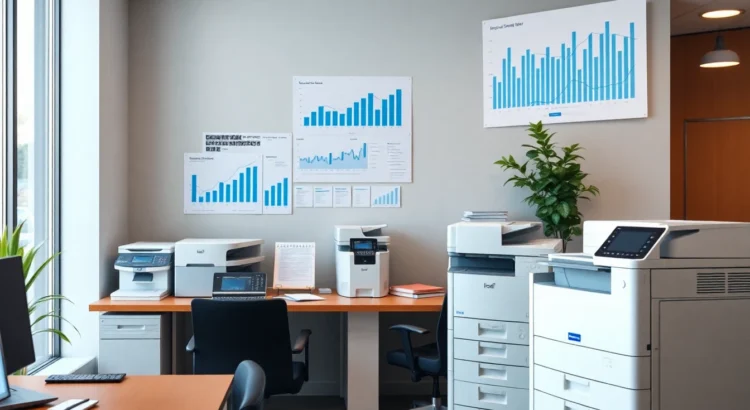
Office Equipment Dealer Copier and MF Printers: Practical Finance Guidance
Selecting the right office equipment dealer copier and MF printers is a key decision for any business or organization. Whether you’re setting up a new office, upgrading to modern equipment, or looking for smarter ways to finance your workplace technology, understanding the industry specifics can save you both time and money. This guide addresses finance solutions, dealer selection criteria, what to expect from suppliers, and how to plan for copier and printer investments with confidence.
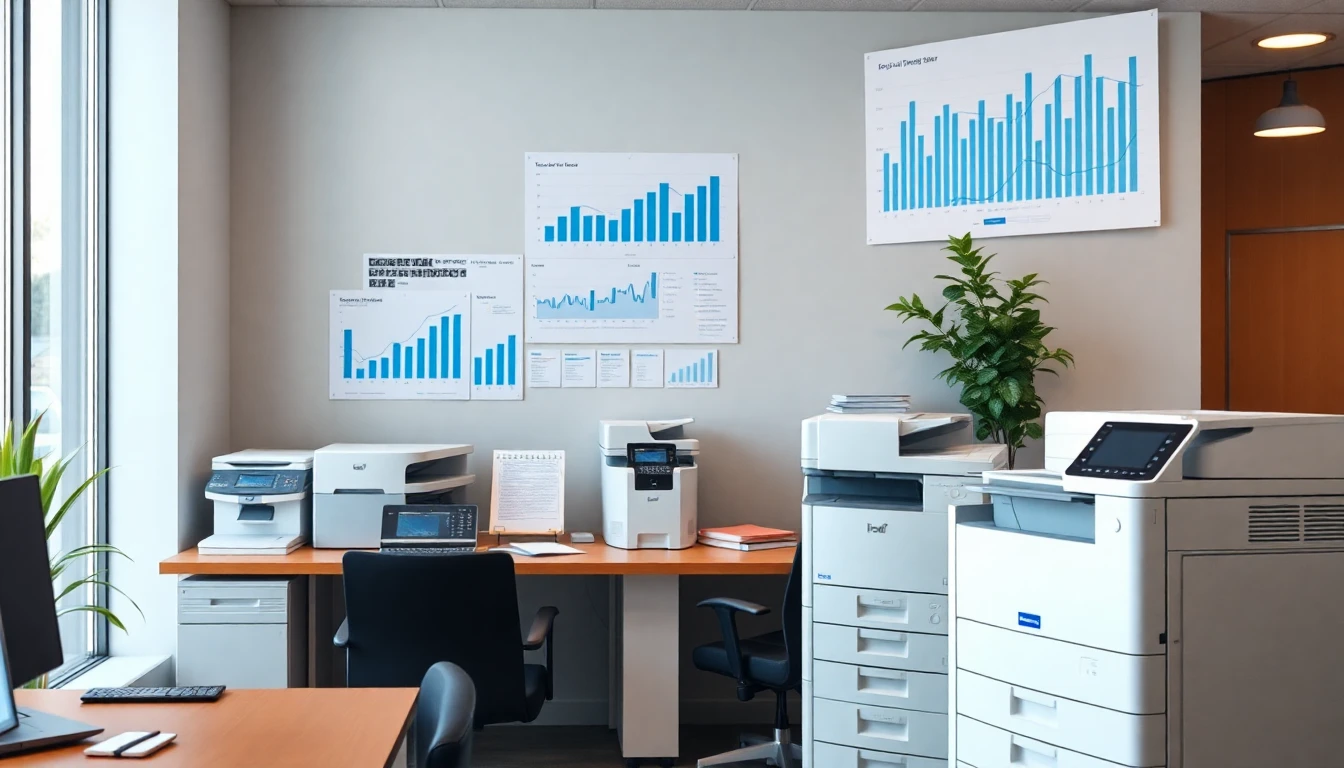
Understanding Office Equipment Dealer Copier and MF Printers
What Dealer Copiers and MF Printers Offer
Dealers supply copiers and multi-function (MF) printers to fulfill day-to-day document needs. Most models provide print, copy, scan, and fax capabilities in one appliance. Dealers often maintain direct relationships with top-tier manufacturers—which means your office gains access to the latest products and reputable warranty support.
Industry Standards and How Dealers Compare
The office equipment dealer market operates under standard manufacturer certifications and service agreements. Look for authorized resellers who follow OEM (Original Equipment Manufacturer) guidelines. How do we know? This is based on industry-wide standards for equipment servicing and recurring audits set by manufacturers like Canon, Xerox, and Kyocera.
Common Misconceptions About Copier and Printer Dealers
Many users think buying direct from manufacturers is more affordable. In reality, trusted dealers often negotiate bulk rates, pass along service perks, and offer flexible financing unavailable from OEM channels. Dealers also support a wider range of brands and models.
Financing Options for Office Equipment and Copiers
Leasing vs. Purchasing Outright
Most businesses compare leasing to outright buying. Leasing transfers much of the upfront cost to monthly payments, saving cash for other priorities. Outright purchases work well for organizations with extra capital and a longer target equipment lifecycle—generally 5 to 7 years for copiers and printers.
Cost Ranges and Monthly Budget Planning
Typical leasing rates for mid-level MF printers run $75-$200/month, while high-output copiers may cost $250-$500/month. Direct purchase prices usually range from $2,500 to $15,000 per device, depending on volume, speed, and finish options. Calculate the total cost of ownership, including supplies, maintenance, and anticipated volume.
Securing Credit Approval and Typical Timelines
Credit approval for leases generally takes 1-3 business days. Smaller deals under $10,000 may see same-day approvals. Larger organizations or government entities may require extra documentation. Most reputable office equipment suppliers have established relationships with major financing providers to expedite approvals—saving buyers administrative headaches.
How to Choose a Reliable Office Equipment Supplier
Evaluating Dealer Reputation and Reviews
Start by checking independent dealer ratings and testimonials. Transparency in pricing, service reliability, and customer support are critical for any office equipment investment. Reference resources like the comprehensive office equipment dealer directory to compare options in your region.
Understanding Maintenance and Service Agreements
Maintenance contracts predict costs and minimize downtime. Look for clear Service Level Agreements (SLAs) detailing response times, coverage of toner, parts, and labor, and escalation processes. Average response windows range from 4-24 business hours. Ask if remote diagnostics or preventative visits are included.
Questions to Ask Before Signing
Clarify all financial terms, including penalties for early lease termination and annual price increases. Users frequently overlook supply replenishment policies, so check whether toner/ink is included, and verify delivery schedules. Discuss upgrade options—some dealers allow mid-contract equipment swaps for new technology.
Selecting Equipment for Your Office Needs
Assessing Print Volume and Workflow Requirements
Estimate monthly page volumes accurately. Low-volume environments (less than 2,000 pages/month) can often use compact MF printers, while large offices or print-heavy sectors (over 10,000 pages/month) need robust copiers. Some office equipment suppliers offer workflow assessments and on-site recommendations.
Matching Features to Day-to-Day Tasks
Not all offices require advanced finishing, stapling, or booklet-making. Focus on scan speed, paper tray capacity, and print quality. For accounting or legal firms, built-in security features and network integration are essential. Use local experts familiar with North Carolina office equipment pricing and service for tailored recommendations.
Energy Efficiency and Environmental Considerations
Modern copiers and MF printers conform to ENERGY STAR standards, helping reduce electricity costs. Some states or municipalities, including parts of Virginia, offer incentives for energy-saving installations—ask your dealer if your chosen model qualifies.
Regional Factors: Office Equipment Dealers by Location
State Regulations Affecting Copier Leasing
Regulations may affect lease terms, data protection practices, and disposal requirements. For example, requirements in Virginia around data security and e-waste disposal influence contract conditions for all equipment suppliers. Check that your dealer complies with state and local rules.
Service Coverage and Response Times
Regional dealers typically prioritize fast dispatch within their service area. For instance, users searching for Virginia office equipment dealer service agreements can expect on-site support timelines clearly outlined within their contracts—minimizing workflow interruptions.
Local Vendor Benefits
Local office equipment dealers often offer flexible on-site demonstrations, expedited emergency repairs, and personalized financing solutions. They understand area-specific business needs and can recommend models suited to regional industries, such as finance, law, healthcare, or education.
After-Sale Support and Long-Term Planning
Monitoring Usage and Tracking Costs
Track print usage monthly to compare to initial volume predictions. Many modern MF printers allow remote monitoring, making it easier to allocate print costs per project or department. This data assists managers in budget planning and ensures supplies are ordered in advance.
Renewing Contracts and Upgrading Equipment
Contract renewals provide opportunities to negotiate better terms or upgrade to new machines. The typical replacement cycle for business-grade copiers and printers is 5 years. Plan ahead for technology refreshes, considering future color/b&w needs, speed, and integration with cloud platforms.
Disposal and Data Security Considerations
Ensure all devices are wiped of sensitive data before disposal. Industry best practice is to use certified data destruction services or request your dealer to handle end-of-life decommissioning. This step maintains compliance with privacy regulations such as HIPAA or GDPR, if applicable.
Conclusion: Smart Steps to Finance Your Office Equipment Dealer Copier and MF Printers
Understanding your options for office equipment dealer copier and MF printers will help you plan, budget, and maintain your workplace effectively. Always compare multiple dealer quotes, review finance terms closely, and clarify service agreements. Rely on regional expertise for fast, compliant, and cost-saving solutions. For more in-depth comparisons, consult trusted directories and local equipment suppliers committed to your business success.