
Tree removal in Minnetonka requires careful planning due to local regulations and seasonal considerations. You’ll need permits for trees exceeding specific diameter thresholds, with fees ranging from $75-$200. Winter and early spring are ideal times for removal, minimizing landscape damage and allowing immediate replanting. Look for ISA-certified professionals with liability insurance who can navigate HOA restrictions. Professional assessment helps identify when removal is necessary due to disease, structural risks, or safety hazards. The following information will guide you through the complete process.
Expert Highlights
- Minnetonka homeowners must obtain specific permits for trees exceeding diameter thresholds, with stricter oversight for heritage trees over 30 inches DBH.
- Winter dormancy (February-March) is ideal for tree removal in Minnesota, allowing frozen ground to minimize landscape damage.
- Professional tree removal services in Minnetonka should provide ISA certification and minimum $1 million liability insurance coverage.
- Small trees under 30 feet cost $150-$450 to remove, while large trees 60-80 feet typically range from $700-$1,300.
- Signs indicating necessary removal include multiple dead branches exceeding 25% of the tree, severe leaning, and large trunk cracks.
Common Reasons for Tree Removal in Minnetonka

While homeowners in Minnetonka take pride in their beautiful trees, there are several compelling circumstances when removal becomes necessary rather than optional. Disease is perhaps the most common culprit, with oak wilt and emerald ash borer infestations threatening the health of surrounding vegetation if not addressed promptly.
You’ll also need to evaluate removal when a tree poses structural risks to your property. Trees with severe storm damage, extensive decay, or dangerous leans toward your home create liability issues you can’t ignore. Additionally, construction projects frequently necessitate removal when trees obstruct building plans or underground utilities.
Overcrowded landscapes present another challenge, as competing trees can stunt each other’s growth and create unhealthy conditions. In these situations, strategic removal actually promotes a healthier, more vibrant tree canopy throughout your property.
Signs Your Tree May Need Professional Removal

Recognizing when a tree requires removal rather than simple maintenance can save you significant trouble and expense in the long run. Watch for multiple dead branches comprising more than 25% of the tree, severe leaning (especially after storms), large cracks in the trunk, or fungal growth around the base. You’ll also want to check for signs of root damage, including soil heaving near the base or sudden tree decline.
If your tree hangs precariously over structures, shows evidence of internal decay, or has become hollow, it’s time to call professionals. Trees with significant construction damage or those affected by fatal diseases like oak wilt or Dutch elm disease typically can’t be saved. When you notice these warning signs, contacting certified arborists in Minnetonka will protect your property and family from unexpected failures.
The Tree Removal Process Explained
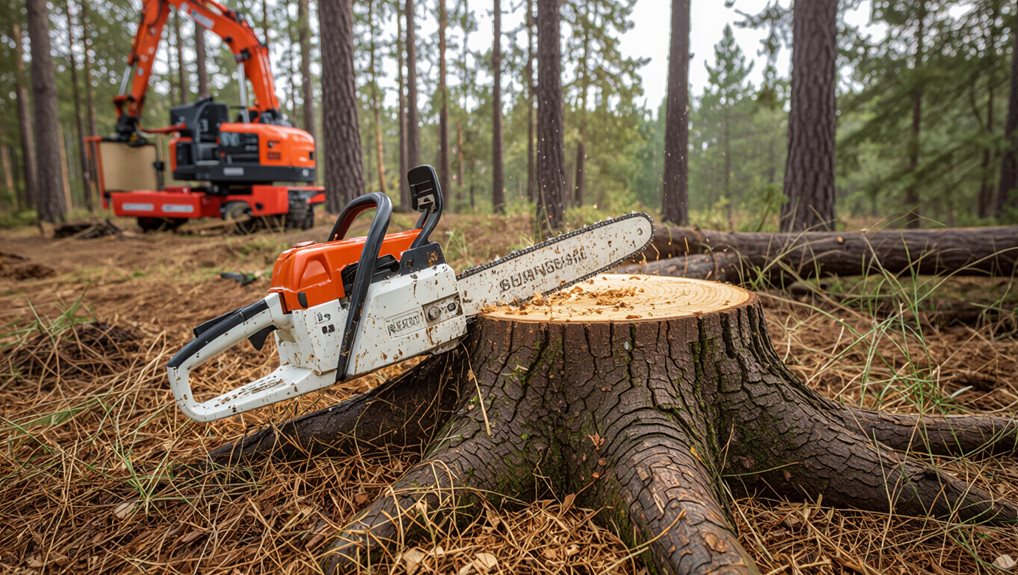
Once you’ve identified that a tree needs removal, understanding the professional process helps set realistic expectations for the project. Professional tree removal in Minnetonka follows a systematic approach that prioritizes safety and property protection.
First, technicians conduct a site assessment, identifying potential obstacles like power lines and structures. They’ll create a removal plan, including determining the fall zone and necessary equipment. During removal, they’ll start by cutting upper branches (crown reduction), followed by sectional trunk removal for controlled dismantling. For trees in open areas, direct felling might be possible.
After the tree is down, the crew will cut the trunk into manageable sections and either haul away the wood or process it into mulch on-site. The final step involves stump grinding, where specialized equipment reduces the remaining stump to wood chips.
When to Schedule Tree Removal in Minnesota’s Climate
When planning tree removal in Minnetonka, you’ll need to take into account Minnesota’s distinct seasonal patterns to guarantee the best timing and safety. Winter dormancy offers significant advantages for tree removal, including frozen ground that minimizes landscape damage and better visibility of the tree’s structure when leaves have fallen. While planned removals can be strategically scheduled, you should also be prepared for emergency situations following Minnesota’s severe weather events, when damaged or compromised trees require immediate professional attention regardless of season.
Strategic Seasonal Timing
The harsh climate conditions of Minnesota greatly impact the preferable timing for tree removal projects throughout the year. When planning your Minnetonka tree removal, strategic seasonal timing can save you money, guarantee safety, and promote peak landscape health. Winter removals often provide frozen ground advantages, while spring timing helps prepare for new plantings.
- Late winter (February-March) offers perfect conditions with frozen ground supporting heavy equipment with minimal lawn damage
- Early spring (April) allows immediate replanting in newly cleared spaces before growing season begins
- Fall (October-November) provides excellent visibility of structural issues after leaves drop
- Mid-summer (July) works best for disease-infected trees to prevent further contamination
- Avoid late spring (May) when nesting wildlife and sap flow create complications
Winter Dormancy Advantages
Despite Minnesota’s frigid temperatures making outdoor work challenging, winter dormancy presents the ideal time for tree removal in Minnetonka. When trees shed their leaves and enter hibernation, arborists can better assess their structure, identifying dead limbs and disease more efficiently. The frozen ground provides firmer support for heavy equipment, reducing damage to your surrounding landscape during the removal process.
You’ll also benefit from reduced disruption to your garden ecosystem, as neighboring plants are dormant and wildlife activity is minimal. Many tree service companies offer competitive winter rates to maintain steady business during this traditionally slower season. By scheduling your tree removal between December and March, you’ll often secure better pricing while ensuring your property is ready for spring landscaping projects without the obstacle of problematic trees requiring urgent attention.
Emergency Weather Considerations
Minnesota’s volatile weather patterns create urgent tree removal situations that homeowners must prepare for throughout the year. When severe storms threaten your property, you’ll need to make quick decisions about damaged trees while ensuring everyone’s safety. Don’t wait until a precarious tree becomes an immediate hazard during the next thunderstorm or blizzard.
- Schedule emergency assessments immediately after significant wind events or ice storms
- Remove trees with more than 50% crown damage before they become structural hazards
- Consider pre-emptive removal of declining trees before winter’s heavy snow loads
- Keep emergency tree service numbers accessible during severe weather seasons
- Document damaged trees with photographs for insurance claims before removal
Monitoring weather forecasts allows you to prepare for potential tree emergencies, giving you time to contact professionals before their schedules fill with post-storm work.
Local Regulations and Permits for Tree Removal
Before removing trees in Minnetonka, you’ll need to understand the city’s specific permit requirements, which vary based on tree size, species, and location on your property. Minnetonka designates certain trees as protected species, including significant oak and maple specimens over specific diameter thresholds, making their removal subject to stricter oversight and potential replacement mandates. Your homeowner association might impose additional rules beyond municipal regulations, requiring separate approval processes that could affect your timeline and removal options, especially in planned communities with established landscape covenants.
City Permit Requirements
When planning to remove trees on your property in Minnetonka, understanding the city’s permit requirements is essential to avoid potential fines and complications. The municipal code requires permits for removing trees that exceed certain diameter thresholds, especially for heritage trees. You’ll need to submit detailed documentation including property surveys and your removal plan to the city’s Environmental Department for review.
- Permits are required for trees larger than 8 inches in diameter at breast height (DBH)
- Heritage trees (over 30 inches DBH) require special consideration and replacement plans
- Applications must include property surveys marking tree locations and species identification
- Permit fees range from $75-200 depending on the number and type of trees
- Emergency removals for hazardous trees require post-removal documentation within 48 hours
Violating these requirements can result in significant penalties, including fines up to $1,000 per tree.
Protected Tree Designations
Minnetonka’s protected tree categories create important distinctions that you’ll need to understand before scheduling any removal services. The city classifies certain species as “significant trees,” including oaks exceeding 8 inches in diameter, pines over 12 inches, and most hardwoods larger than 6 inches. These designations trigger specific regulations that affect your removal options.
When facing removal challenges, you’ll need to document why protected trees must be cut down. Disease, safety hazards, or construction necessity are valid reasons, but you’ll need professional assessment documentation. The solution involves proper planning – contact the city forester’s office to arrange an on-site evaluation before proceeding. This proactive approach prevents costly penalties (up to $1,000 per improperly removed protected tree) and establishes you as a responsible community member who values Minnetonka’s natural heritage.
Homeowner Association Rules
Beyond city regulations, many Minnetonka neighborhoods feature Homeowner Association (HOA) covenants that impose additional restrictions on tree removal activities. These rules often exist to maintain neighborhood aesthetics, property values, and environmental quality. You’ll need to consult your specific HOA bylaws before removing any trees on your property, even if city permits aren’t required.
- HOAs may require written approval for removing trees above a certain diameter, typically 6-10 inches
- Violation of HOA tree removal policies can result in fines ranging from $100-$5,000
- Some associations mandate replacement trees of similar species within 30-60 days
- Architectural review committees often need 14-30 days to evaluate tree removal requests
- Many HOAs prohibit removing trees that considerably impact neighboring properties’ shade or privacy
Contacting your HOA board early in your planning process will help you avoid costly penalties and project delays.
Choosing a Qualified Tree Service in Minnetonka
How carefully you select your tree service provider can make the difference between a smooth, safe removal and a costly disaster. Many Minnetonka homeowners have faced property damage, insurance complications, and even legal issues after hiring unqualified contractors who lacked proper credentials or insurance coverage.
When evaluating potential services, verify they possess ISA certification (International Society of Arboriculture) and maintain extensive liability insurance of at least $1 million. You’ll want to request detailed written estimates that outline scope, timeline, and cleanup procedures. Check their online reviews specifically from Minnetonka residents, as local experience matters when maneuvering our community’s unique tree species and regulations. Consider asking neighbors in your development for recommendations—you’ll often discover which companies consistently meet expectations while respecting our neighborhood aesthetic standards.
Cost Factors for Tree Removal Services
When budgeting for tree removal in Minnetonka, you’ll find that the size of your tree greatly impacts the final price, with larger trees requiring more time, equipment, and labor to safely remove. Your property’s accessibility creates another vital cost variable, as trees located near power lines, buildings, or in areas with limited equipment access will require specialized techniques that increase the overall expense. You’ll typically pay more for trees that present complex removal challenges, such as those requiring crane assistance or those situated in hard-to-reach backyard locations where equipment must navigate through narrow passages.
Size Impacts Price
The single most influential factor in determining your tree removal cost is the size of the tree being removed. When professionals assess your property, they’ll categorize your tree into height brackets that directly impact labor, equipment needs, and overall project complexity. Larger trees require specialized machinery, more crew members, and additional safety protocols that smaller specimens simply don’t demand.
- Small trees (under 30 feet) typically cost $150-$450 to remove
- Medium trees (30-60 feet) range from $450-$700 in Minnetonka
- Large trees (60-80 feet) generally cost $700-$1,300
- Extra large trees (80+ feet) may exceed $1,500 for removal
- Emergency removals of any size tree typically incur a 25-50% premium
Understanding these size categories helps you anticipate costs and budget appropriately for your specific situation.
Access Affects Cost
Beyond the tree’s size, accessibility to your property greatly impacts removal costs in Minnetonka. If your tree sits near power lines, buildings, or in a fenced backyard with limited entry points, you’ll face higher removal fees due to the additional equipment, time, and labor required to safely navigate these obstacles. Companies must use specialized techniques, such as crane-assisted removal or sectional cutting, which notably increases your final bill.
Trees located in hard-to-reach areas might require your contractor to carry equipment by hand or use compact machinery, extending the project timeline. Conversely, trees with clear access from the street allow for efficient removal with standard equipment. You’ll save substantially when crews can directly approach your tree with their trucks and chippers without impediments. Always discuss access challenges during your estimate to avoid unexpected costs later.
Emergency Tree Removal: What Homeowners Should Know
Sudden storms and severe weather conditions often leave homeowners facing dangerous tree emergencies that require immediate attention. When a tree threatens your property, knowing how to respond quickly can prevent extensive damage and guarantee your family’s safety. Most insurance policies cover emergency tree removal when structures are affected, but you’ll need proper documentation of all damages.
- Assess from a safe distance whether the tree poses an immediate hazard to structures or power lines
- Contact your insurance company immediately to understand coverage before work begins
- Document all damage with photos and videos from multiple angles for claim submission
- Look for certified arborists who offer 24/7 emergency services in Minnetonka
- Request written estimates that detail removal process, equipment needed, and cleanup plans
Eco-Friendly Disposal and Repurposing Options
Responsible tree removal doesn’t end when the trunk hits the ground, as sustainable disposal methods can transform your former hazard into valuable resources for your community and environment. When you’re faced with tree debris in Minnetonka, consider these eco-conscious options rather than sending everything to the landfill.
Your removed tree can find new life as mulch for landscaping projects, which helps retain soil moisture and suppress weeds. Larger sections can be milled into lumber for furniture or construction, preserving the tree’s legacy in a functional form. Many Minnetonka residents donate quality wood to local artisans or schools with woodworking programs. Alternatively, you can contribute to municipal composting programs where your tree biomass will decompose naturally, returning nutrients to the soil and completing the ecological cycle.
Post-Removal Considerations: Stump Grinding and Replanting
After your tree has been removed, you’ll need to address the remaining stump and consider how to restore your landscape to its former beauty. Stump grinding eliminates unsightly remnants and prevents new sprouts from emerging, while creating space for new plantings. When planning your post-removal strategy, consulting with a local arborist can help you select native species that’ll thrive in Minnetonka’s climate and soil conditions.
- Consider grinding stumps 4-6 inches below ground level for ideal replanting potential
- Test soil pH and nutrient levels before selecting replacement trees
- Choose native Minnesota species for better disease resistance and wildlife support
- Account for utility lines and structures when determining new tree placement
- Apply mulch to the replanted area to retain moisture and suppress weed growth
Frequently Asked Questions
Can My Tree Be Relocated Instead of Removed?
Yes, your tree can be relocated instead of removed, but it depends on its size, age, and health. You’ll need a professional assessment to determine if transplanting is viable for you.
Are Tree Removal Services Covered by Homeowners Insurance?
Homeowners insurance typically covers tree removal only when it’s damaged by specific perils like storms or fire. You’ll need to check your policy details and deductible for your particular coverage.
How Long Does the Entire Tree Removal Process Take?
You’ll find that tree removal typically takes 1-4 hours, but larger projects may require a full day. Your timeline depends on tree size, location, and complexity of the job.
Will Tree Removal Affect Neighboring Properties or Structures?
Yes, tree removal can affect neighboring properties. You’ll need to guarantee proper access, manage debris carefully, and watch for root systems that might extend beyond your property line.
Is Winter Tree Removal More Expensive Than Other Seasons?
Winter tree removal isn’t typically more expensive. You’ll often find comparable pricing year-round, though some companies offer off-season discounts when they’re less busy during winter months.
Expert Final Thoughts
You’ll face important decisions when removing trees on your Minnetonka property. By understanding the warning signs, local regulations, and proper timing, you’re better prepared to protect your home and landscape. Whether you’re dealing with an emergency situation or planning a preventative removal, consulting with certified arborists guarantees the job is done safely and efficiently. Remember to take into account stump removal and replanting options to maintain your property’s beauty and value.